
Active Procollagen I N-Terminal Propeptide (PINP)
P1NP; N-Propeptide Of Type I Procollagen; Procollagen I Amino Terminal Propeptide
- Product No.UAPA957Hu61
- Organism SpeciesHomo sapiens (Human) Same name, Different species.
- Buffer FormulationPBS, pH7.4, containing 5% Trehalose.
- TraitsFreeze-dried powder
- Purity> 95%
- Isoelectric Point3.9
- ApplicationsCell culture; Activity Assays.
- Download Instruction Manual
- UOM 10µg50µg 200µg 1mg 5mg
-
FOB
US$ 160
For more details, please contact local distributors!US$ 400
For more details, please contact local distributors! US$ 800
For more details, please contact local distributors! US$ 2400
For more details, please contact local distributors! US$ 6000
For more details, please contact local distributors!
-
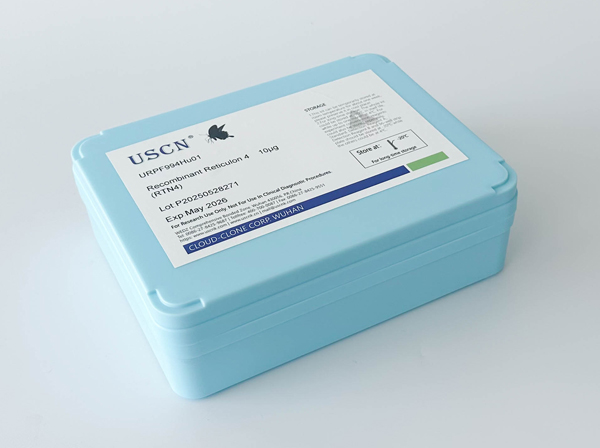 Packages (Simulation)
-
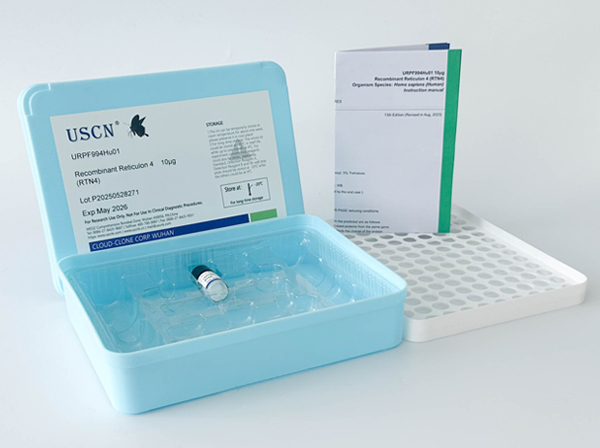 Packages (Simulation)
-
 SDS-PAGE
-
ISO9001: 2008, ISO13485: 2003 Registered
ACTIVITY TEST of the Active Procollagen I N-Terminal Propeptide (PINP)
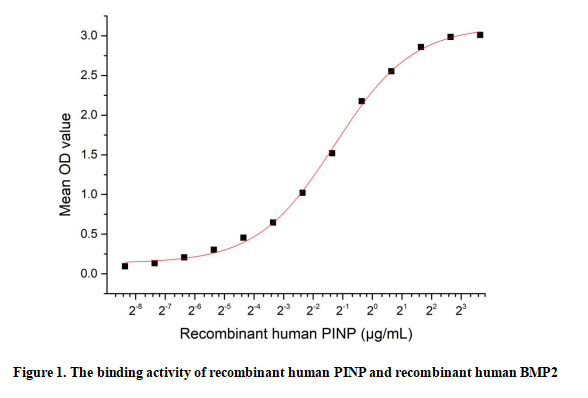
Procollagen I N‑Terminal Propeptide (PINP) is a specific proteolytic fragment released during the synthesis of type I collagen, the most abundant collagen in the human body, mainly distributed in bone, skin, tendons, and blood vessels. As type I procollagen is processed by proteinases into mature collagen, PINP is cleaved and released into the circulation in a 1:1 stoichiometric ratio, making it a highly sensitive and specific serum biomarker for osteoblast activity and bone formation rate. Clinically, PINP measurement is widely used to evaluate bone turnover, monitor osteoporosis treatment efficacy, assess fracture risk, and diagnose metabolic bone diseases. Unlike bone resorption markers, PINP directly reflects active bone synthesis and is less affected by diurnal variation. BMP2 promotes osteoblastic differentiation and upregulates collagen synthesis, thereby increasing the production and release of PINP during type I collagen maturation. To detect the activity of recombinant PINP , a functional ELISA assay was performed to evaluate the interaction between recombinant human PINP and recombinant human BMP2. Briefly, BMP2 was diluted serially in PBS with 0.01% BSA (pH 7.4). Duplicate samples of 100 μl were then transferred to PINP-coated microtiter wells and incubated for 1h at 37℃. Wells were washed with PBST and incubated for 1h with anti-BMP2 pAb, then aspirated and washed 3 times. After incubation with HRP labelled secondary antibody for 1h at 37℃, wells were aspirated and washed 5 times. With the addition of substrate solution, wells were incubated 15-25 minutes at 37℃. Finally, add 50 µL stop solution to the wells and read at 450/630nm immediately. Measured by its binding ability in a functional ELISA. When Recombinant PINP is lmmobilized at 2 µg/mL(100 µLwell), the concentration of BMP2 that produces 50% optimal bindingresponse is found to be approximately 0.415 µg/mL.
USAGE of the Active Procollagen I N-Terminal Propeptide (PINP)
Reconstitute in 10mM PBS (pH7.4) to a concentration of 0.1-1.0 mg/mL. Do not vortex.
STORAGE of the Active Procollagen I N-Terminal Propeptide (PINP)
Avoid repeated freeze/thaw cycles. Store at 2-8°C for one month. Aliquot and store at -80°C for 12 months.
STABILITY of the Active Procollagen I N-Terminal Propeptide (PINP)
The thermal stability is described by the loss rate. The loss rate was determined by accelerated thermal degradation test, that is, incubate the protein at 37°C for 48h, and no obvious degradation and precipitation were observed. The loss rate is less than 5% within the expiration date under appropriate storage condition.