
Active Growth Hormone (GH)
GH1; GH-N; GHN; hGH-N; Somatotropin; Hygetropin; Jintropin; Kigtropin; Pituitary Growth Hormone; Growth Hormone, Normal
- Product No.UAPA044Eq01
- Organism SpeciesEquus caballus; Equine (Horse) Same name, Different species.
- Buffer Formulation20mM Tris, 150mM NaCl, pH8.0, containing 1mM EDTA, 1mM DTT, 0.01% SKL, 5% Trehalose and Proclin300.
- TraitsFreeze-dried powder
- Purity> 90%
- Isoelectric Point7.4
- ApplicationsCell culture; Activity Assays.
- Download n/a
- UOM 10µg50µg 200µg 1mg 5mg
-
FOB
US$
For more details, please contact local distributors!US$
For more details, please contact local distributors! US$
For more details, please contact local distributors! US$
For more details, please contact local distributors! US$
For more details, please contact local distributors!
-
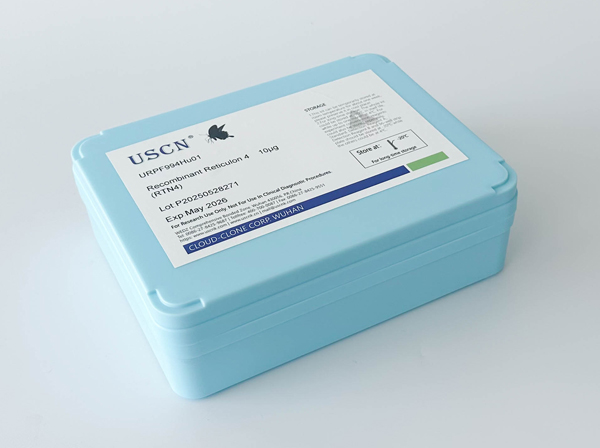 Packages (Simulation)
-
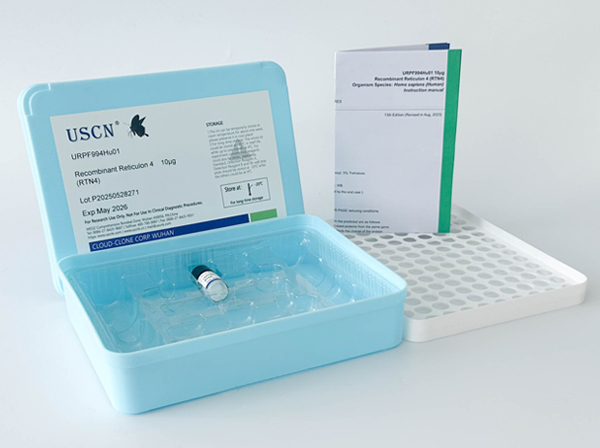 Packages (Simulation)
-
 SDS-PAGE
-
ISO9001: 2008, ISO13485: 2003 Registered
ACTIVITY TEST of the Active Growth Hormone (GH)
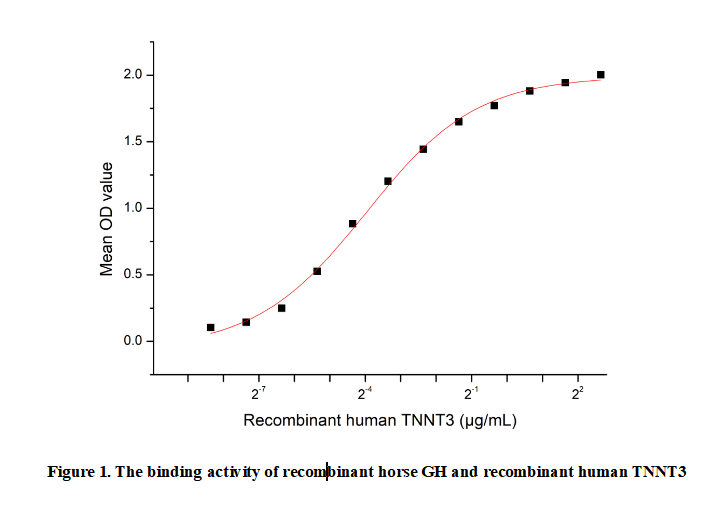
Growth Hormone (GH), also known as somatotropin, is a peptide hormone synthesized and secreted by the somatotroph cells of the anterior pituitary gland. It plays a pivotal role in growth regulation, metabolism, and cellular repair across multiple tissues. GH exerts its effects both directly and indirectly through the stimulation of insulin-like growth factor 1 (IGF-1) production in the liver. The hormone binds to the growth hormone receptor (GHR), a member of the cytokine receptor superfamily, activating the JAK2-STAT signaling pathway to regulate gene expression. GH secretion is pulsatile, primarily controlled by hypothalamic growth hormone-releasing hormone (GHRH) and somatostatin. Beyond its growth-promoting functions, GH influences lipid metabolism, glucose homeostasis, and immune function.Besides,Troponin T Type 3, Fast Skeletal (TNNT3) has been identified as an interactor of GH, thus a functional binding ELISA assay was conducted to detect the interaction of recombinant horse GH and recombinant human TNNT3. Briefly, TNNT3 was diluted serially in PBS with 0.01% BSA (pH 7.4). Duplicate samples of 100 μl were then transferred to GH-coated microtiter wells and incubated for 1h at 37℃. Wells were washed with PBST and incubated for 1h with anti-TNNT3 pAb, then aspirated and washed 3 times. After incubation with HRP labelled secondary antibody for 1h at 37℃, wells were aspirated and washed 5 times. With the addition of substrate solution, wells were incubated 15-25 minutes at 37℃. Finally, add 50 µL stop solution to the wells and read at 450/630nm immediately. Measured by its binding ability in a functional ELISA. When Recombinant GH is lmmobilized at 2 ug/mL(100 uLwell), the concentration of TNNT3 that produces 50% optimal bindingresponse is found to be approximately 0.064µg/mL.
USAGE of the Active Growth Hormone (GH)
Reconstitute in 20mM Tris, 150mM NaCl (pH8.0) to a concentration of 0.1-1.0 mg/mL. Do not vortex.
STORAGE of the Active Growth Hormone (GH)
Avoid repeated freeze/thaw cycles. Store at 2-8°C for one month. Aliquot and store at -80°C for 12 months.
STABILITY of the Active Growth Hormone (GH)
The thermal stability is described by the loss rate. The loss rate was determined by accelerated thermal degradation test, that is, incubate the protein at 37°C for 48h, and no obvious degradation and precipitation were observed. The loss rate is less than 5% within the expiration date under appropriate storage condition.
INCREMENT SERVICES
BCA Protein Quantification Kit
Molecular Mass Marker for Protein
Monoclonal Antibody Customized Service
Polyclonal Antibody Customized Service
Protein Activity Test Experiment Service
Electrophoretic Mobility Shift Assay (EMSA) Experiment Service
Buffer
Lentivirus Packaging Experiment Service
Adenovirus Packaging Experiment Service
Real Time PCR Experimental Service
Spike RBD Protein (S-RBD)
Protein G
Protein A
Related products
| Catalog No. | Organism species: Equus caballus; Equine (Horse) | Applications (RESEARCH USE ONLY!) |
| UAPA044Eq01 | Active Growth Hormone (GH) | Cell culture; Activity Assays. |
| URPA044Eq01 | Recombinant Growth Hormone (GH) | Positive Control; Immunogen; SDS-PAGE; WB. |
| UPAA044Eq01 | Polyclonal Antibody to Growth Hormone (GH) | WB |
| UMAA044Eq21 | Monoclonal Antibody to Growth Hormone (GH) | WB; IHC; ICC; IP. |
| UCEA044Eq | ELISA Kit for Growth Hormone (GH) | Enzyme-linked immunosorbent assay for Antigen Detection. |
| ULMA044Eq | Multiplex Assay Kit for Growth Hormone (GH) ,etc. by FLIA (Flow Luminescence Immunoassay) | FLIA Kit for Antigen Detection. |